Camping
Inflatable Lounger Lake Safety – What to Know Before Floating
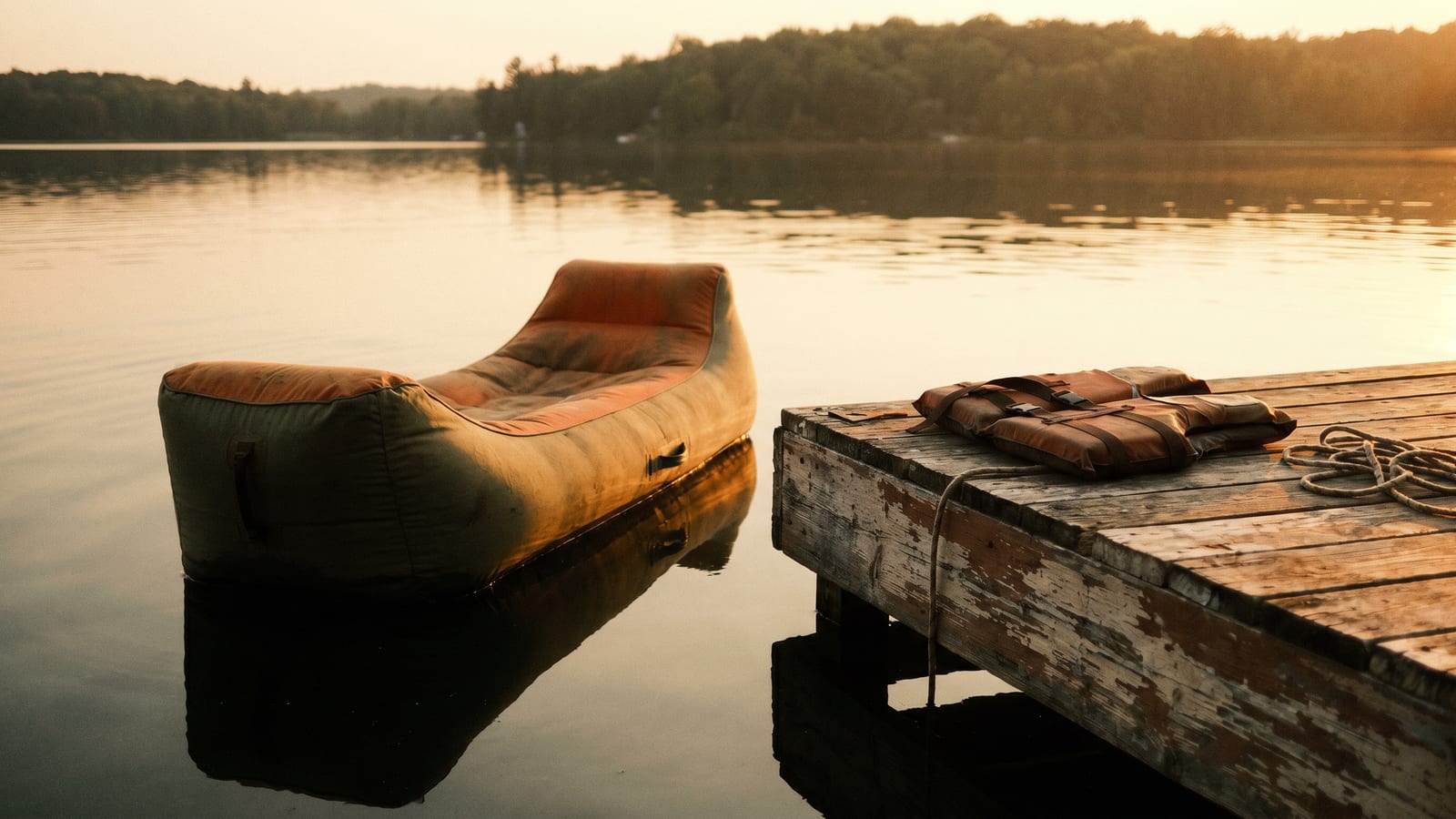
Inflatable loungers have become a staple of lake trips. You know the scene: someone drifts fifty yards offshore while half-asleep, phone in one hand, drink in the other. It looks harmless. Drownings involving inflatable flotation devices send hundreds of people to emergency rooms every year. Most of those incidents were preventable.
This is not an argument against floating. It’s an argument for floating with your brain engaged.
Why Inflatable Loungers Feel Safer Than They Are
An inflatable lounger has no rigid structure. It conforms to your body, sits inches above the waterline, and provides just enough float to keep your face out of the water - assuming nothing goes wrong. The moment you need to actually swim, you’re fighting the shape of the thing rather than using it.
Compare that to a Coast Guard-approved life jacket, which keeps your airway above water even if you’re unconscious. A lounger does none of that. It’s a comfort device, not a safety device.
The danger compounds because people use loungers in situations where they wouldn’t use a boat or watercraft: deeper water, further from shore, with alcohol in their system, without anyone monitoring them. Each of those factors is manageable on its own. Together, they create real risk.
Know the Water Conditions
Before you even inflate the lounger, assess the water. Lakes aren’t uniform - conditions vary dramatically within the same body of water.
Current and wind. Some lakes have feeder streams or dam releases that create detectable current, even in calm-looking sections. Wind can push a lounger offshore faster than you can swim back, especially if you’re dealing with a partial deflation or loss of grip. Check for any posted warnings about currents before you get in.
Depth and bottom composition. Lake bottoms are often muddy, rocky, or covered in submerged vegetation. Getting out unexpectedly in deep water with a deflated lounger wrapped around your legs is a bad situation. Know where you’re swimming before you commit to floating.
Temperature. Cold water shock is a real threat even in summer. Lakes that look inviting can have thermoclines - sharp temperature layers - that make the water significantly colder just below the surface. Sudden immersion in cold water triggers involuntary gasping and swimming failure, even for strong swimmers.
Supervise and Stay Connected
Never float alone. This is the simplest, most effective safety rule and it gets ignored constantly.
Maintain visual contact. If you’re part of a group, designate someone onshore to watch the floaters. Rotate this responsibility so nobody is staring at the water for hours. If you’re with a partner, stay close enough to reach each other.
Establish a recovery plan. Before anyone goes in, agree on a meeting point and what to do if someone drifts too far or goes under. This takes thirty seconds to discuss and eliminates panic decision-making if something goes wrong.
Avoid alcohol entirely. This one is non-negotiable. Alcohol impairs swimming ability, cloud judgment about conditions, and slows reaction time in an emergency. A lounger floating fifty yards offshore with an impaired person is a rescue situation, not a minor inconvenience.
Guard Against Deflation and Loss of Control
Most inflatable lounger emergencies involve sudden deflation or loss of grip.
Choose a lounger with inflation valves designed to resist accidental release. Many budget loungers use a simple fold-and-clip closure that can come undone if you shift your weight wrong.
Keep track of your lounger’s air pressure. Heat causes air to expand, which can over-inflate and stress the seams. If you’ve been floating in direct sun, check the lounger for firmness and release a little air if needed. Conversely, altitude changes on the drive home can affect internal pressure.
Maintain grip while drifting. Most people float with their arms draped over the sides. This is comfortable but leaves you with no purchase if the lounger flips. If conditions are rough or you’re far from shore, keep your core engaged and be ready to roll back onto the lounger if it flips.
What to Do If You Lose the Lounger
If you end up in the water without the lounger:
- Stay calm. Panic is what kills people in open water. Tread water, assess your situation, and orient yourself to shore.
- Swim defensively. Keep your head up, breathe steadily, and swim toward shore at a controlled pace. Don’t sprint - exhaustion in open water is irreversible.
- If you can reach the lounger, grab it. Drag it under your chest and use it as a floatation aid rather than trying to climb back on it immediately.
- Signal for help if needed. Raise your arm, shout, or use any visible object to attract attention if you’re drifting or struggling.
Gear That Actually Helps
An inflatable lounger can be part of a safe lake day - you just need the right setup around it.
A U.S. Coast Guard-approved personal flotation device (PFD) is the single most effective safety investment. Many people resist wearing one because it’s not stylish, but a compact inflatable belt pack or vest packs small and stays out of the way until you need it. If you’re floating in water where you can’t touch bottom, wear it.
A waterproof phone pouch lets you keep communication within reach without risking your device. In an emergency, having a phone accessible changes the outcome.
A bright colored flag or inflatable pole attached to your lounger makes you visible to boat traffic and easier for someone onshore to track.
Our Take
Floating on a lake is one of the cheapest, simplest pleasures of summer. There’s no reason to ruin it by skipping basic precautions. Go with someone, stay aware of conditions, keep a PFD handy if you’re drifting far from shore, and leave the drinking for the dock.
The goal is to end the day with the same number of people you started with.