Outdoor Skills
How Barometric Pressure Affects Bass Fishing
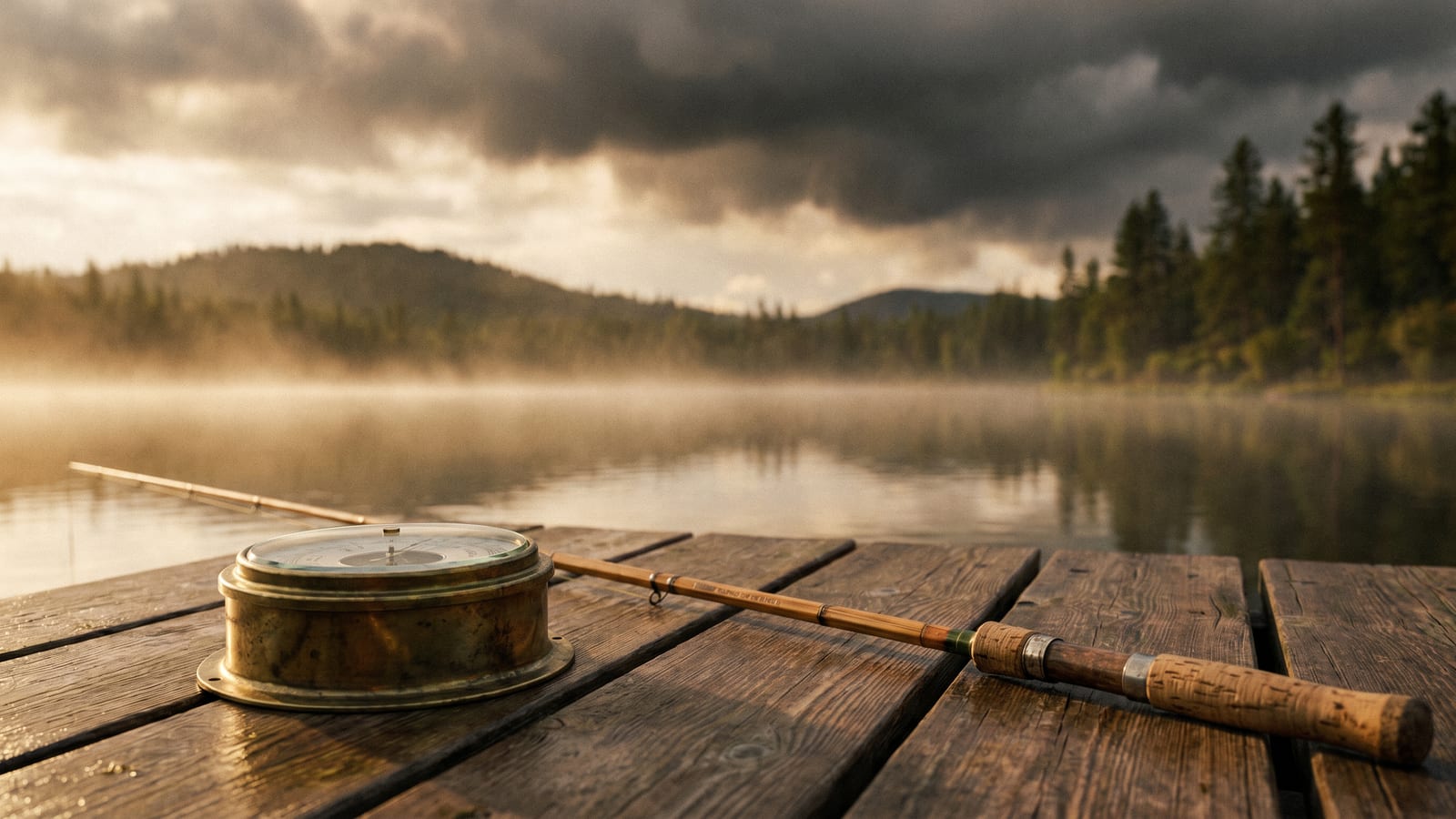
You checked your tackle, scouted the lake, and got there early. The bass aren’t touching anything. What you did not check was the barometric pressure, and that might be exactly why. If you want to understand barometric pressure bass fishing and how to use it to your advantage, here is what actually matters.
Barometric pressure is the single most underrated factor in bass fishing. Most anglers watch the weather forecast for rain, wind, and temperature. Pressure changes fly under the radar, even though they directly control how bass feed. Learn to read pressure, and you will stop wasting days on the water for nothing.
What Barometric Pressure Actually Is
Barometric pressure is the weight of the atmosphere pressing down on the earth’s surface. It fluctuates constantly with weather systems: high pressure means stable, clear skies; low pressure brings clouds, storms, and wind.
Meteorologists measure it in inches of mercury (inHg). At sea level, standard pressure sits around 29.92 inHg. Most freshwater lakes in North America see readings between 29.50 and 30.60 inHg depending on the weather system overhead.
Here is the range that matters for bass:
| Pressure Range (inHg) | What It Means |
|---|---|
| Below 29.70 | Low pressure. Outstanding fishing. |
| 29.70–30.40 | Normal/stable. Average conditions. |
| Above 30.40 | High pressure. Tough fishing. |
Those numbers are the starting point. The real signal is not the absolute value; it is whether the pressure is rising, falling, or holding steady.
Why Bass Are So Pressure Sensitive
Bass have a swim bladder, an internal gas-filled organ that controls their buoyancy. When atmospheric pressure changes, it compresses or expands the gas inside that bladder. A sharp pressure drop causes the swim bladder to expand, which makes bass feel lighter and more energetic. They rise in the water column, move more aggressively, and feed with less caution.
A rapid pressure increase does the opposite. The swim bladder compresses, bass feel heavier, they sink, and feeding motivation drops fast.
Beyond the swim bladder, bass also sense pressure changes through their lateral line (a network of sensory organs that detects movement and vibration in the water). A falling barometer creates subtle water column changes that bass feel before any visible weather shift arrives.
This is why bass often turn on right before a cold front moves through, even when conditions still look calm. The pressure is already falling. The fish know it.
How Bass Behave Under Different Pressure Conditions
Falling Pressure
This is when you want to be on the water. Falling barometric pressure triggers active feeding in bass. They move shallower, patrol more aggressively, and strike with less hesitation.
The best windows under falling pressure:
- 24 to 48 hours before a cold front arrives
- During the first hours of an approaching storm
- During a slow, steady pressure drop over several hours
Bass under falling pressure are not selective. They will hit a moving lure with a reasonably natural retrieve. This is not the time for subtle finesse presentations: a rattling crankbait, a spinnerbait, or a chatterbait gets the job done.
Rising Pressure
Rising pressure following a cold front is the worst window for bass fishing. The fish are compressed, sluggish, and sitting deep. They may not feed for 12 to 24 hours after a pressure spike.
Do not pack up the boat and head home. But adjust your expectations. You will catch fewer bass, and the ones you do catch will likely be in deeper water holding near structural cover. Slow your retrieve, downsize your bait, and focus on deep-diving crankbaits, drop shots, or slow-rolled Texas-rigged plastics.
Stable Pressure
When the barometer holds steady for more than 24 hours (no rise, no fall) fishing settles into a rhythm. Bass are not in an active feeding phase driven by pressure change, so they revert to their normal behavioral patterns: relate to cover, follow baitfish, move at dawn and dusk.
Stable pressure is not hopeless. It is predictable. The bass act like bass, not like they are on a feeding spree. Focus on prime time (early morning and late afternoon) and look for fish relating to current breaks, weed lines, and depth transitions.
Reading the Pressure Like a Bass Fisherman
Forget the forecast. You need real numbers from where you are fishing. Here is how to actually use this:
-
Get a barometer. A standalone handheld unit costs under $30. Several fishing apps display current pressure with a trend arrow. Look for one that shows the actual inHg reading, not just a vague pressure label.
-
Track the trend. Note the pressure reading when you arrive at the water. Check it again after 2 hours. Is it rising, falling, or flat? That trend matters more than the number itself.
-
Check the 24-hour history. If you can see what the pressure was doing overnight, you can predict how active the bass will be when you launch. A pressure drop overnight followed by a continued fall in the morning means you are in for a good day.
-
Note the forecast trajectory. If the pressure is 30.30 inHg and falling toward 29.90 over the next 24 hours, the fishing should improve steadily. If it is 30.50 and climbing, expect tougher conditions.
-
Combine with front passages. Cold fronts always bring falling pressure, then a sharp rise as the front passes. The 24 hours before the front arrives is consistently the best bass fishing of the month. Plan trips around approaching weather systems, not around pleasant forecast conditions.
Seasonal Patterns and Pressure
Bass behavior tied to pressure changes shifts with the seasons. Here is how:
Spring. Bass move shallow to spawn. Pressure swings during spring storms can trigger aggressive feeding right before the spawn, which is one of the most reliable windows of the year. Watch for falling pressure on a warming trend: fish will be active and shallow.
Summer. High pressure builds and holds. Fishing often becomes tough during extended high-pressure periods. The best summer days are often just before afternoon thunderstorms when pressure drops rapidly. Low-light hours (early morning and late evening) matter more during summer’s long days.
Fall. Cooling water and falling barometric pressure trigger a prespawn-like feeding binge. Bass are putting on weight for winter and are less selective. This is the most forgiving season for technique choice. A steady pressure decline in September and October can produce excellent fishing all day.
Winter. Pressure effects become less predictable because bass are cold-stunned and metabolism-driven. Stable pressure with cold, clear conditions is actually preferred in winter. Rapid pressure swings during winter cold fronts often shut fishing down entirely for a day or two.
Practical Pressure-Based Fishing Strategy
Stop checking the weather. Check the barometer and use this framework:
- Pressure below 29.70 inHg and falling: Full day on the water. Fish are active. Cover water with moving baits. Focus on shallower structure.
- Pressure between 29.70 and 30.40 inHg and stable: Fish normal patterns. Early morning and late evening. Deep structure during the middle of the day.
- Pressure above 30.40 inHg and rising: Target deep water and fish slow. Expect fewer bites. Do not waste your best moving baits: go finesse.
- Pressure transitioning (rising to falling, or vice versa): Some of the best and worst fishing days fall in transition windows. Watch the trend: if it just flipped from rising to falling, the bite may turn on within hours.
Final Thoughts
Barometric pressure is not a magic formula. Bass are still bass: they relate to cover, follow baitfish, and respond to water temperature and oxygen levels. Pressure is one more variable, not the only one.
But it is a variable most bass anglers never look at. That is your edge. A $20 barometer and the habit of checking it before you launch will help you pick better days and adjust your approach on the ones you already committed to.
The next time you see a weather forecast calling for a cold front in 24 hours, clear your schedule. That is when the bass are waiting.