Hunting
Staying Fit for the Field: A No-Gym Guide to Field Fitness
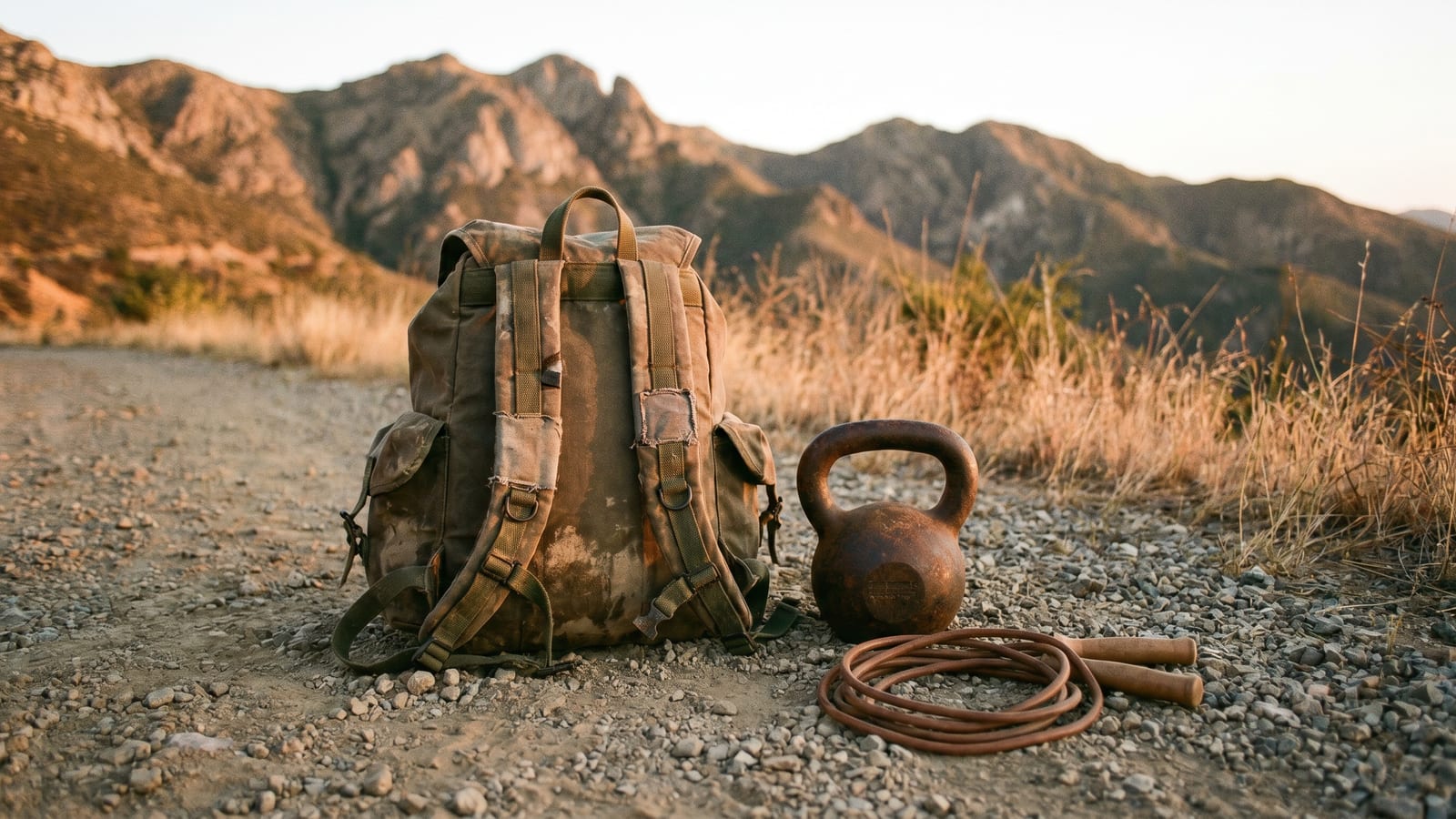
Field fitness is not about six-pack abs or bench press numbers. It is about whether you can still function on day three of a backcountry elk hunt when your pack weighs 40 pounds and the terrain fights back. Most gym programs do not prepare you for that. This guide is built for staying fit for the field.
Whether you are getting ready for a rugged hunting season, a multi-day wilderness trip, or demanding field work, here is a practical conditioning system you can build right now using little more than your body, a loaded pack, and whatever outdoor space you have access to.
What “Field Fitness” Actually Means
The gym definition of fitness is about moving weight in controlled planes of motion. Field fitness is about sustained output under load in unpredictable terrain over multiple consecutive days.
The distinction matters. You can have a solid gym base and still gas out on a steep pack-out because your stabilizer muscles have never been loaded that way. You can be aerobically fit on flat ground and hit a wall the moment the trail pitches up. Field fitness trains the specific demands of the field: cardiovascular endurance over long days, lower-body strength and stability under uneven load, and the recovery capacity to come back and do it again tomorrow.
Fatigue is not just miserable out there. It is dangerous. A tired hunter makes poor decisions, fumbles footing on loose rock, and loses situational awareness. If you want to perform on the hunt or in the field rather than just survive it, that starts long before you pack your truck.
The 5 Pillars of Field Fitness
Cardiovascular endurance is your engine. You need sustained low-to-moderate output over hours, not sprint intervals. Long hikes, steady uphill walking, and loaded carries build this. If you get winded climbing a hill with a pack, this is the first thing to address.
Lower-body strength carries you all day. Hiking, climbing, and packing out game demands quad, glute, and hamstring endurance that flat walking does not develop. You need to be able to do single-leg movements under load without your knees caving.
Core stability is your foundation in the field. Uneven terrain constantly challenges your balance. A strong core keeps you upright on loose rock, helps you manage a heavy pack correctly, and steadies a shot after a hard climb. Oblique strength specifically matters for twisting movements when dragging or positioning.
Upper-body push and pull handles gear more than most people expect. Dragging a deer, pulling yourself up a steep bank, shouldering a pack repeatedly, climbing through deadfall. All of it draws on horizontal pushing and rowing strength. Neglect this and your shoulders and back take a beating by day two.
Recovery capacity is what most people underestimate. Sleep quality, nutrition timing, and managing accumulated fatigue across multiple days is its own skill. The best physical prep in the world gets you nowhere if you cannot eat, sleep, and recover in the field well enough to perform the next day.
Bodyweight Exercises That Actually Transfer to the Field
These movements were selected because they directly match what happens in the field. You do not need a gym. A park, a yard, a log, and a bench are enough.
Squats build the quad and glute base for climbing and load carrying. If you have a pack nearby, hold it at chest height for a goblet squat variation. If you have a heavy rock, that works too. Three sets of 10 to 15 reps done consistently will change how you feel on mile five.
Reverse lunges are better for field prep than forward lunges because they shift more load to the glutes and require more hip stability. They simulate stepping down off a log or navigating a rocky descent. Step back, drop the knee close to the ground, and drive through the forward heel to stand. Three sets of 10 per leg.
Step-ups using a log, bench, or large rock are the most field-specific lower-body exercise in existence. Step up, drive through, stand fully at the top, step down controlled. Once bodyweight feels easy, hold your daypack while doing them. This builds exactly the muscles you use going uphill.
Push-ups cover your horizontal press. They work without any equipment. Add variations: hands elevated on a bench, or feet elevated, to change the angle. Three sets to near-failure two to three times per week is enough.
Inverted rows using a sturdy horizontal branch or the underside of a park bench cover the horizontal pull that push-ups leave out. Lie under the bar or branch, grip it, and row your chest up to it. This is one of the most underrated movements for field prep because it directly builds the pulling strength you use carrying, dragging, and climbing.
Plank variations build the core stability you need on uneven terrain. Front plank builds the anterior chain. Side plank directly trains the obliques and hip abductors that keep you stable on side slopes. Aim for 30 to 60 seconds per set.
Bear crawls and hill sprints are your metabolic conditioning work. Bear crawls challenge you to stabilize the whole body under dynamic load without the usual base of support. Hill sprints develop the explosiveness and cardiovascular capacity for steep climbs. Neither requires equipment. Both feel terrible the first time and get easier fast.
Adding Load: Pack Training and Rucking
The single best thing you can do to prepare for a field season is weekly loaded hiking. No program replaces it.
Start with a pack that feels manageable. Twenty to 25 pounds is a reasonable starting point for someone new to rucking. Use a daypack with a water jug, books, or sandbags as filler if you do not have a loaded frame pack. Walk for at least 60 to 90 minutes, preferably on terrain with elevation change.
Add weight and duration gradually. The rule is simple: add reps before weight, add weight before duration. Each week you can add a small increment: a couple of pounds or 15 minutes. If your form breaks down or your joints complain, stay at the current level for another week.
Target pack weights to match your actual field demands. A day hunter carrying gear and a rifle might train at 25 to 35 pounds. A backcountry hunter planning to pack out quarters might train up to 50 to 60 pounds over time. Get there before season, not during it.
Farmer’s carries are a companion movement to rucking. Load two buckets or bags with equal weight and carry them for distance. This builds the grip strength, shoulder stability, and core bracing that frame pack straps demand. Walk until your grip starts to fail, set them down, shake out, go again.
The 4-Day Weekly Field Fitness Program
This program requires no gym. All you need is your body, a loaded pack, and access to outdoor space.
Day 1: Lower body and core. Three sets of squats, three sets of reverse lunges per leg, three sets of step-ups, three sets of planks front and side. Rest 60 seconds between sets. Add pack weight to step-ups once bodyweight feels easy.
Day 2: Active recovery and mobility. Light walking, 30 to 60 minutes. Focus on dynamic stretching: leg swings, hip circles, ankle mobility, shoulder rotations. This day is not optional. Recovery is where adaptation happens. Keep the pace conversational.
Day 3: Upper body and cardio intervals. Three sets of push-ups, three sets of inverted rows. Finish with bear crawls or hill sprints: six to eight rounds of 20 to 30 seconds hard effort with 60 seconds rest. This session should take 40 to 50 minutes.
Day 4: Loaded hike. Two to four hours with a weighted pack. Find terrain with elevation if possible. This is the anchor session of the week. Everything else supports this one.
On progression: do not rush it. Build reps first, then load, then duration. In the off-season, the base-building phase runs 8 to 12 weeks. In the 4 to 6 weeks before your season or big trip, shift to maintaining intensity and tapering volume slightly. You want to arrive fit and fresh, not beaten up.
Preventing Injuries When You Are Hours from Help
An injury in the backcountry is a different problem than an injury near a hospital. The goal here is not just physical performance. It is staying intact far from help.
Start every hike or training session with a joint prep protocol: ankle circles in both directions, hip circles, hip flexor stretch, shoulder dislocates with a resistance band or a stick. These take five minutes and dramatically reduce the early-session injury window when cold joints are most vulnerable.
The old RICE protocol (rest, ice, compress, elevate) has been updated in sports medicine. The current framework is PUCE: Protect the area from further damage, Unload the joint, Compress to reduce swelling, and Elevate when possible. The shift matters because aggressive icing is no longer recommended. It may actually slow tissue repair.
Know your red flags: sharp joint pain that comes on suddenly, any pop followed by instability, or swelling that gets worse rather than better over an hour. If any of those happen, stop. Walking it off is for soreness, not for acute injury. Pushing through a real joint injury in the backcountry is how you turn a one-day problem into a multi-week problem.
The two pieces of gear that prevent more field injuries than any training plan: high-cut boots or ankle braces on rough terrain, and trekking poles on descents. Both support the ankle and knee joints under loaded downhill movement when fatigue has already compromised your reflexes. Carry the poles. Use them.
Portable Training Tools That Go Anywhere
You do not need a gym membership and you do not need to haul heavy equipment. These tools cover the gaps that bodyweight alone cannot fill.
Resistance bands are the most packable strength tool in existence. A set of three to four bands in varying resistance covers upper-body pulling, face pulls for shoulder health, lateral band walks for hip activation, and pressing work. They weigh almost nothing and fit in a ditty bag.
Paracord or a simple suspension trainer rigged over a tree limb or horizontal bar opens up rows and assisted pull-up variations. If you are comfortable tying a load-bearing loop, 20 feet of paracord and a couple of carabiners build a functional row setup in about 90 seconds.
Park benches, sturdy logs, and rock ledges replace boxes, benches, and step platforms. The field trains best in the field. If your step-up training uses a park bench instead of a gym box, your neuromuscular system is already calibrated for natural surfaces.
Improvised weights close the gap for heavier loaded work. A water container, a sandbag, a loaded dry bag, or a rock held at chest height all serve the same function as a dumbbell or kettlebell for goblet squats, carries, and press movements. Rocks do not cost money, and using them does not require a gym bag.
Quick-Start Checklist: What You Can Do This Week
Start here. You do not need to build the full program on day one.
- Do three sets of 10 goblet squats today holding whatever heavy object is nearby.
- Find a staircase or a park bench and do three sets of 10 step-ups.
- Add 20 pounds to a daypack and go for a 60-minute walk this weekend.
- Spend five minutes on ankle circles, hip circles, and shoulder mobility before your next hike.
- Set up a resistance band and do three sets of rows today.
- Find a sturdy branch or park bench and try five inverted rows.
- Plan your four training days for next week and put them in your calendar.
- Pick a route for your weekly long hike and note the elevation gain.
- Walk with trekking poles at least once before your first loaded hike to get comfortable with them.
The goal is not to crush yourself in week one. The goal is to start the habits now so that by the time your season arrives, they are already part of your routine. Start with two sessions this week. Build from there.