Camping
Zero Gravity Chair Mobility: What You Need to Know If You Have Back Pain or Limited Mobility
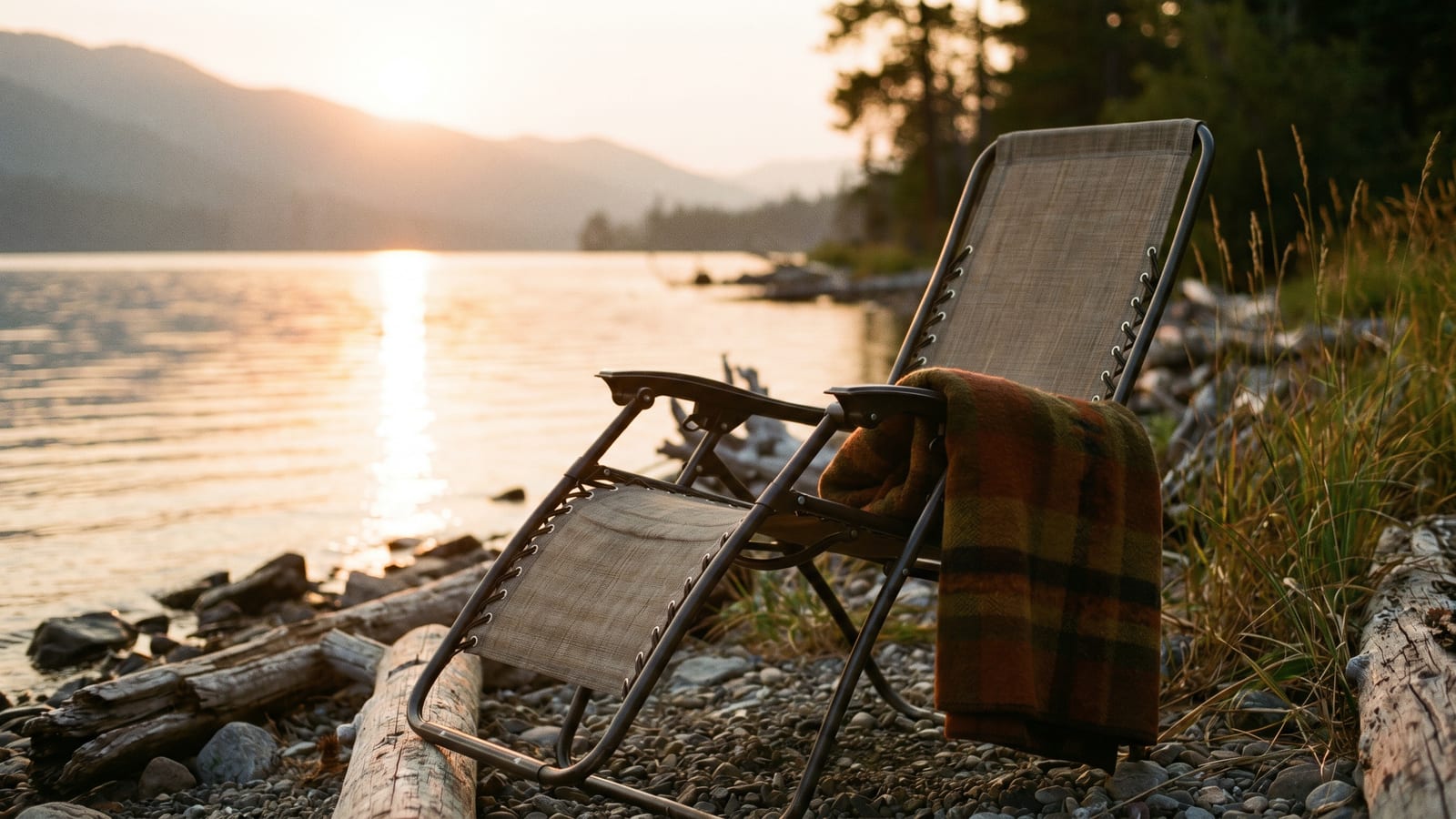
If you’ve been searching for “zero gravity chair mobility” and ended up on pages selling power lift recliners for seniors, you’re not alone. The search results are dominated by indoor medical chairs, not outdoor gear. That’s a problem because the outdoor zero gravity chair you’re actually looking at is a completely different product, and whether it works for you depends entirely on what your mobility situation actually looks like.
This article is for the camper with a bad back, the hiker whose knees make deep flexion a problem, or anyone who wants to know if a portable zero gravity chair can make outdoor sitting more comfortable rather than more frustrating.
What the Zero Gravity Position Does to Your Body
The zero gravity position places your body so your torso and legs are at roughly equal elevation, with your legs slightly above heart level. Your spine is fully supported along its natural curve, your lower back isn’t bearing any weight, and gravity is working with your body instead of against it.
In practice, this means the pressure that normally accumulates in your lumbar discs and hip joints redistributes across the full surface of the chair. Your legs are elevated, which takes pressure off the veins in your lower extremities and lets circulation move more freely. Physical therapists and chiropractors recommend this position for exactly these reasons: it gives the body a genuine break without requiring medication or movement.
It’s not a cure for anything. But for someone who spends most of their day fighting gravity in the wrong direction, even 30 minutes in a true zero gravity position can mean the difference between a manageable evening and a painful one.
Why This Matters if You Have Back Pain or Limited Mobility
Lower back pain responds well to the zero gravity position because it eliminates the compressive load on the lumbar spine. When you sit in a standard chair, your discs are compressed by your upper body weight. When you recline into zero gravity, that compression releases. The same logic applies to sciatica: taking the hip joint through a less angled position and adding leg elevation removes the nerve impingement that makes shooting pain down your leg worse.
People with arthritis in the hips or knees benefit because the position doesn’t require the same joint angles as sitting upright. Hip flexor tightness, common in anyone who sits at a desk all day, also eases when the hip is placed in a more neutral, slightly elevated position rather than a sharp 90-degree bend.
If you have circulation issues in your legs, the elevation helps. If your problem is that standing back up from a low seat is the hardest part of any outdoor gathering, that’s a different problem and a different solution, which I’ll get to.
The Difference Between an Outdoor Zero Gravity Chair and an Indoor Lift Recliner
Here’s the part most search results won’t tell you. An indoor power lift recliner has an electric motor that physically tilts the seat forward and lifts you out of the chair. It exists for people who can’t stand up from a seated position without assistance. That’s a real medical need, and it’s a legitimate product category.
An outdoor folding zero gravity chair has none of that. It’s a fabric sling on a metal frame that folds in half for transport. You get in by lowering yourself into it, you adjust the recline by shifting your weight or operating a bungee tension system, and when you’re done, you’re on your own. There’s no motor, no lift, no cranking mechanism. You’re responsible for getting yourself in and out.
This matters for anyone whose mobility issue crosses into “can’t stand without help.” If getting out of a low seat unassisted is genuinely difficult for you, an outdoor zero gravity chair won’t solve that problem. It might even make sitting down and getting up harder than a standard camping chair, depending on the model. A power lift chair or a higher-seated outdoor recliner is the right call for that situation.
If your mobility issue is pain management and comfort, the outdoor version is right for you. The distinction isn’t trivial, and skipping it would be doing you a disservice.
The Real Challenges for Outdoor Zero Gravity Chairs and Mobility
Outdoor zero gravity chairs sit low. Most models put the seat between 13 and 17 inches off the ground. That’s lower than a typical camping chair, not higher. If you have bad knees, sore hip flexors, or limited quad strength, the act of lowering yourself down and pressing back up is a real physical demand. It’s not impossible, but it’s harder than it looks, especially on the first few uses when your body hasn’t calibrated to the height.
Uneven ground is a genuine stability problem. These chairs have a narrow frame footprint. On soft grass, sand, or a slight slope, they tip more easily than you expect. For most people, that means a wobbly moment and a laugh. For someone with balance issues or who can’t catch themselves quickly, it’s a fall risk. Look for a chair with a wider base and a locking recline mechanism, and always set up on the most level ground available. If you’re setting up on a deck, an RV pad, or a gravel camping spot, you have a lot more control over your surface than someone dropping a chair on soft festival grass, and that alone removes most of the tipping concern.
Setup friction is real. Bungee cord tensioning systems require grip strength and a bit of body awareness through the recline range. If you have joint pain in your hands or wrists, or limited range of motion in your shoulders, some chairs will fight you on this. It’s not a dealbreaker, but it’s worth knowing before you buy.
Weight and transport are where most chairs fail the mobility test. Popular models run 18 to 22 pounds. That’s manageable for most people in short bursts, but a one-handed carry from the car to the campsite isn’t realistic for many of them. There’s no handle, the carry bags often lack shoulder straps, and the folded size is awkward. If carrying your chair more than 50 feet is part of your typical scenario, weight under 15 pounds and a proper shoulder strap make a meaningful difference.
What to Look for If You Have Mobility Concerns
Seat height matters more than most buying guides admit. Look for models with a seat height of 16 inches or higher. This doesn’t put you at patio chair height, but it makes the in-and-out motion noticeably less demanding on the knees and hip flexors. Budget models often sit at 13 or 14 inches. Skip those if you have lower body mobility concerns.
Frame stability on real terrain. A wider stance and reinforced locking joints keep the chair from wobbling on uneven ground. On gravel or soft soil, the leg spread matters. Test the chair at home on your lawn before relying on it at a remote campsite.
Weight under 15 pounds if you’re carrying it yourself. Several manufacturers make lightweight versions that trade some durability for a meaningful reduction in carry weight. If you’re moving the chair from a car trunk to a site 30 yards away, this isn’t a minor consideration.
Armrests are non-negotiable. They give you something to push against when you stand. Many budget zero gravity chairs omit armrests or make them too low to be useful. Pushing yourself up from armrests that are at the right height changes the mechanics of standing entirely. Don’t buy a chair without them if getting up is a concern.
Check the weight capacity before buying. Many affordable models cap out at 250 pounds. If you’re closer to or above that limit, the frame flexes more than it should and the chair sits lower than advertised once loaded. Higher-capacity models exist; they cost more but they don’t fail prematurely.
The Bottom Line
For pain management and outdoor comfort, a zero gravity chair is one of the better options available to you. The reclined position genuinely relieves lower back pressure, helps with sciatica symptoms, and lets you sit outside for longer without paying for it later. If that’s your situation, the outdoor folding zero gravity chair is worth owning.
It’s also worth saying: if your setup is a back deck, an RV pad, or a car camping spot, you’re not dealing with most of the portability tradeoffs that make these chairs awkward. You get the full comfort benefit without ever needing to haul the thing more than 20 feet: the spine relief, the leg elevation, the long sits without consequences. For that kind of user, an outdoor zero gravity chair is often a smarter buy than a bulky powered indoor recliner that’s harder to move, harder to clean, and completely useless outside.
For people who can’t get out of a low seat without assistance, this isn’t the right tool. Adding a folding step stool or camp ottoman to create a higher exit point can help, but if standing unassisted is the core problem, a power lift chair or a higher-seated outdoor recliner solves the actual issue.
If you’ve decided the outdoor zero gravity chair is right for you, two models consistently hit the criteria above: the Sunnyglade Zero Gravity Lounge Chair for its seat height and available armrest height, and the LawnEssentials Portable Zero Gravity Chair for its sub-15-pound weight and included shoulder carry bag. Both are available without a motor, without a warranty headache, and without trying to be something they’re not.