Hunting
Hydration for Crossbow Practice – Why Water Is Critical
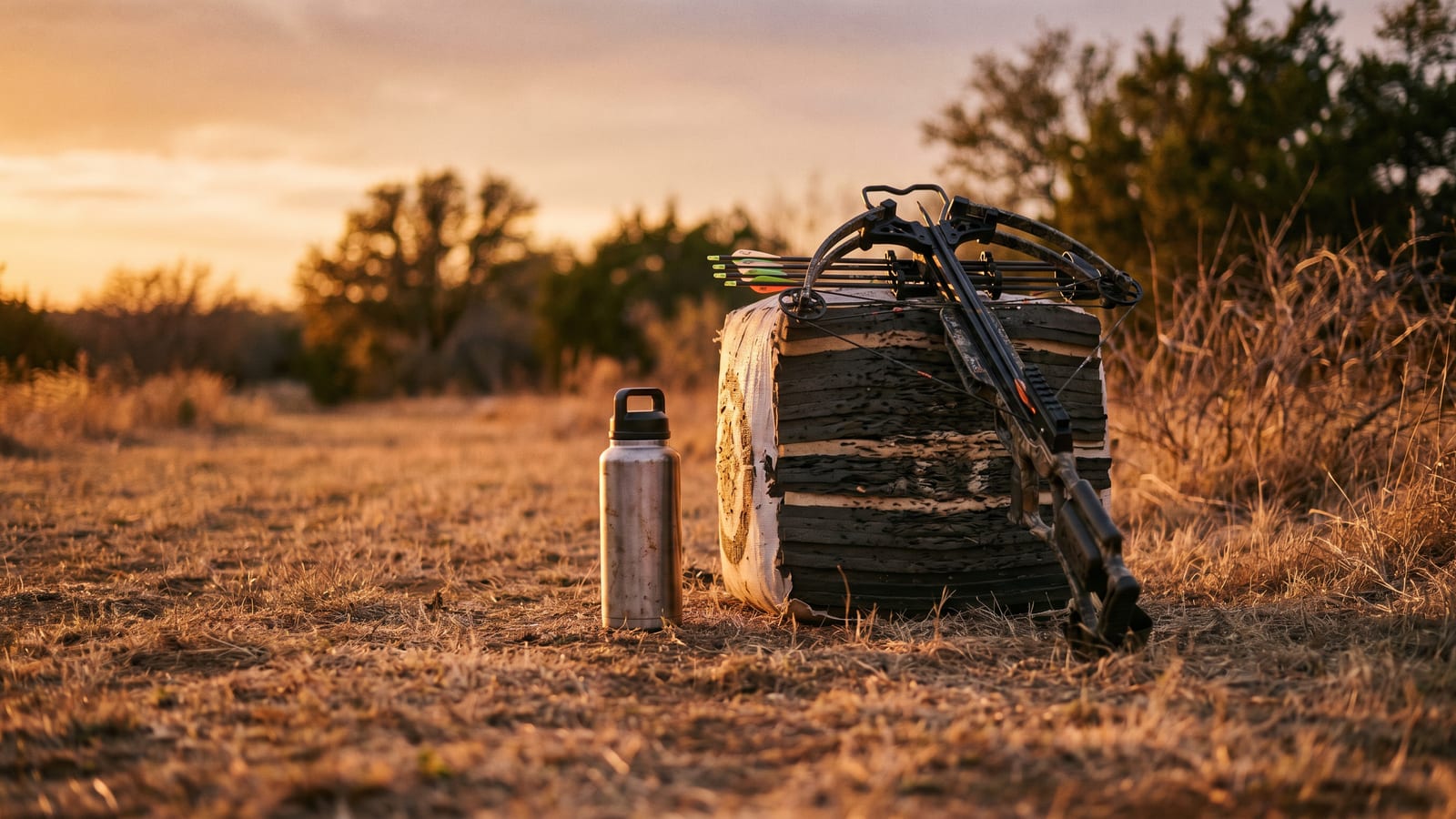
Most crossbow shooters obsess over scope clarity, trigger pull, and rail lubrication. They overlook the one variable that degrades every single one of those factors: hydration. A two-percent reduction in body water volume measurably impairs fine motor control, visual tracking, and grip strength. For a shooter spending a day at the range or preparing for a hunt, that degradation is the difference between a tight group and a flyer that cost you the shot.
This is not complicated. Drink water. Drink it before you’re thirsty. Here’s why and how.
The Physiology of Dehydration and Shooting
When you’re dehydrated, blood plasma volume drops. Your body compensates by reducing blood flow to non-essential systems, including the small muscles in your hands and forearms. That reduction doesn’t show up as obvious weakness. It shows up as a slight tremor you didn’t have an hour ago, a trigger press that felt smooth but wasn’t, a follow-through that collapsed early.
Cognitive effects compound the physical ones. Mild dehydration impairs concentration and increases anxiety perception. You feel more stressed than you are. On a crossbow range where mental state is already a performance variable, adding dehydration stress is a self-inflicted handicap.
Thirst is a lagging indicator, not an early warning. By the time you feel thirsty, you’re already one to two percent dehydrated. For a day at the range, that’s enough to affect performance.
Pre-Practice Hydration
Start hydrating the evening before a practice session, not the morning of. Your body absorbs and retains water more effectively when you give it time.
The evening before a practice session: Your body absorbs and retains water more effectively when you give it time. Drink sixteen to twenty ounces before bed. If you’re practicing in the morning, this primes your system.
Morning of: Drink another sixteen ounces within an hour of waking. Skip the coffee. Caffeine is a mild diuretic and the net hydration gain is marginal. If you need the ritual, have the coffee but chase it with water.
Two hours before practice: Drink another eight to twelve ounces. You want to arrive comfortably hydrated, not sloshing.
During Practice: What and How Much
During practice, aim for roughly eight ounces every twenty to thirty minutes of active shooting, more in heat or heavy clothing. Adjust based on conditions and your body size.
Water is the foundation. Plain water is sufficient for sessions under ninety minutes. For longer sessions, a diluted sports drink (half-strength) helps replace sodium lost through sweat without the sugar load that slows absorption.
Sugary drinks and energy drinks are a liability before precision shooting. A thirty-two ounce Super Dome Full of caffeine and sugar before a precision shooting session is among the worst pre-practice choices you can make. The crash is predictable and the jitter is real.
Monitor your urine. Pale yellow indicates adequate hydration. Dark yellow or amber means you need more fluid, now. Clear urine after a long session is actually a warning sign. You may have overhydrated slightly and flushed electrolytes.
Electrolytes Matter for Extended Sessions
If you’re practicing for more than two hours, especially in warm weather, water alone isn’t enough. Sodium, potassium, and magnesium are lost through sweat and need replacement.
Sodium is the most critical. Sweat sodium concentration varies significantly between individuals. Some people lose more sodium than others and will cramp or feel sluggish without replacement. If you’re a heavy sweater or have had cramping issues in the past, a sodium supplement or sports drink is worth using.
For a three-hour practice session, a workable approach: start with water, add an electrolyte tablet or a small amount of sports drink concentrate after the first hour. Don’t wait until you feel sluggish. By then the deficit is already affecting your shots.
Salt tablets are unnecessary for most shooters unless you’ve confirmed a specific sodium deficiency. Whole tablets can cause stomach upset. Buffered electrolyte solutions are gentler.
Grip, Scope Work, and Why Hydration Hits Those Specifically
Crossbow shooting requires sustained isometric grip. Holding the forend steady against the stock while maintaining scope alignment. Dehydration reduces the ability to hold a steady position without micro-tremor. The effect is subtle but measurable in group size, especially at distances past forty yards.
The optics are affected too. Hydration affects tear film production. Dehydrated shooters experience dry eyes, which degrades scope clarity and makes it harder to maintain a consistent eye position behind the ocular lens. If you’re adjusting your eye position frequently, check your water intake before you reach for a new scope.
Trigger control is the most visible casualty. A slight thumb tremor from dehydration turns a clean five-pound trigger pull into a jerky release. Most shooters blame the trigger mechanism. Sometimes it’s the water bottle being empty.
Recognizing and Correcting Dehydration During Practice
Early signs you need water:
- Dry mouth (already behind on hydration)
- Slight headache or forehead heaviness
- Trouble maintaining steady hold on the forend
- Missed shots that don’t match your usual pattern
- Irritability or difficulty focusing on the target
The fix is straightforward: take a break, drink eight to twelve ounces of water, and let your body catch up for ten to fifteen minutes before shooting again. Trying to shoot through dehydration rarely produces good results. The practice session becomes counterproductive because you’re training in poor form.
Hydration Setup for the Range
A few practical items make consistent hydration easier:
An insulated water bottle that keeps water cold for hours. Warm water is a disincentive to drink. Larger bottles (32-40 oz) reduce the number of breaks needed to refill.
A hydration pack if you’re shooting on a field course or walking between positions. Hands-free hydration keeps you drinking without interrupting your practice flow.
A phone alarm or watch timer set to remind you to drink every twenty minutes. Most people who neglect hydration do so because they simply forget.
Our Take
Hydration is the foundation of shooting performance. Everything else (the scope, the bolts, the trigger job) operates through your body, and a dehydrated body is a degraded instrument.
Drink before you’re thirsty. Watch your urine color. Add electrolytes for sessions over two hours. If you’re having a bad practice day, check the water bottle before you check the scope.
The fix takes thirty seconds. The improvement in your group is immediate.